
The COVID-19 pandemic highlighted the urgent need for digital literacy, especially among vulnerable populations facing increased risk of exclusion due to limited access to essential online services and information. Older adults have been disproportionately affected by this digital divide. In the context of Europe’s aging population, strengthening digital skills to foster their participation in health, cultural, and civic life is crucial and aligns with the European Union’s digital transition priorities.
The DigitalScouts initiative, an Erasmus+ project (2022-2025) coordinated by ISIS Institut für Soziale Infrastruktur gGmbH from Germany, alongside partners BerufsWege für Frauen e.V. (Germany), AFEdemy – Academy on Age-Friendly Environments in Europe (Netherlands), Association Group for Education and Action for Citizenship – GEAC (Romania), and Austrian Red Cross, is dedicated to training individuals – „digital scouts” – to support older adults in acquiring digital skills through a „train the trainer” approach.
A key output of the project is the e-learning platform, developed through a co-creation process to ensure it meets the needs of both learners who become trainers („digital scouts”) and the ultimate target group: older adults.
The online learning platform equips participants with the tools and techniques needed to teach effectively and to motivate and support elderly individuals in developing digital competencies.
The training program consists of four interactive modules: the first provides insight into the basic DigitalScouts concept, the second explores how older adults learn and appropriate teaching methods, the third presents an overview of digital possibilities in areas such as digital care and cultural and social participation, and the fourth module offers understanding necessary for developing and delivering your own training courses.
Additionally, the platform provides various training ideas that can be transformed into viable business models.
Co-creation Methodology: An Innovative Approach
The methodology behind the e-learning platform followed a co-creation approach, increasingly recognized as good practice in digital education. As Ferri et al. (2020) state, „the use of a co-creation process within e-learning practices enables learners to live positive experiences as they are more actively involved in the learning process.” Through this process, relevant solutions are identified by considering the needs and values of all stakeholders, resulting in a final product or service that better aligns with the target audience’s needs, refined through their inputs and feedback.
The Co-creation Process in Three Phases
Phase 1: Needs Assessment through Interviews
The development of the e-learning platform began with a needs assessment through semi-structured interviews with 55 experts and potential digital scouts across five countries (Romania, Netherlands, Austria, Germany, and Portugal). These interviews helped identify key barriers to digital participation for older adults, essential skills for trainers, and the most effective formats and methodologies for digital education.
Key insights included:
- Digital training should be tailored to learners’ interests and experiences
- Essential competencies for digital scouts include empathy, patience, a positive attitude towards aging, and the ability to address physical limitations such as impaired vision or dexterity
- Preferences regarding course structure varied: some preferred online learning, others face-to-face, and some a blended approach. However, the majority agreed on the need for flexible learning settings with short, modular lessons to accommodate different lifestyles
- Effective training techniques included real-life scenarios, step-by-step handouts, visual aids, practical examples, interactive exercises, and gamification strategies
Phase 2: Pre-testing in Austria
The first pre-test was conducted in Austria with eight volunteers from the Austrian Red Cross. For this, German translations were included in the platform. This phase highlighted the need for shorter texts and improvements to the accessibility tool’s placement for better usability.
Phase 3: Testing in Portugal, Austria, Germany, and Romania
Once all translated content was integrated, the platform was tested in Germany, Portugal, Austria, and Romania. This phase involved assessing both content and navigation accessibility. Feedback varied by country, likely reflecting cultural differences. For example, in Portugal, participants requested more video content, while in Austria and Germany, there were comments on improving the wording of certain texts. Additionally, usability improvements were suggested, such as differentiating button colors to enhance navigation.
Testing Experience in Romania: Four Dedicated Work Sessions
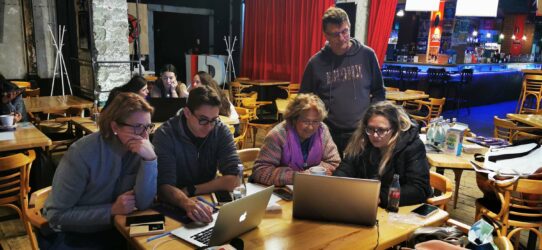
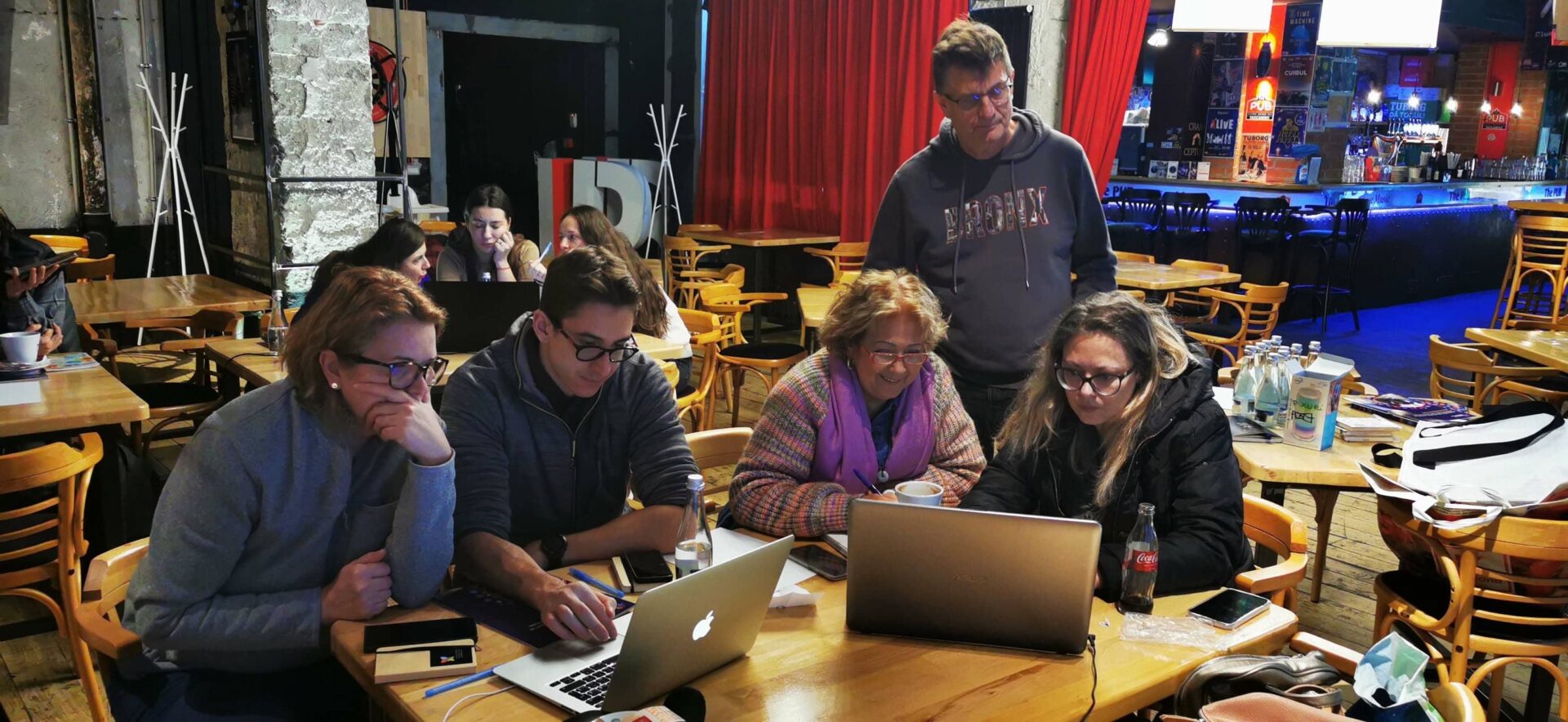
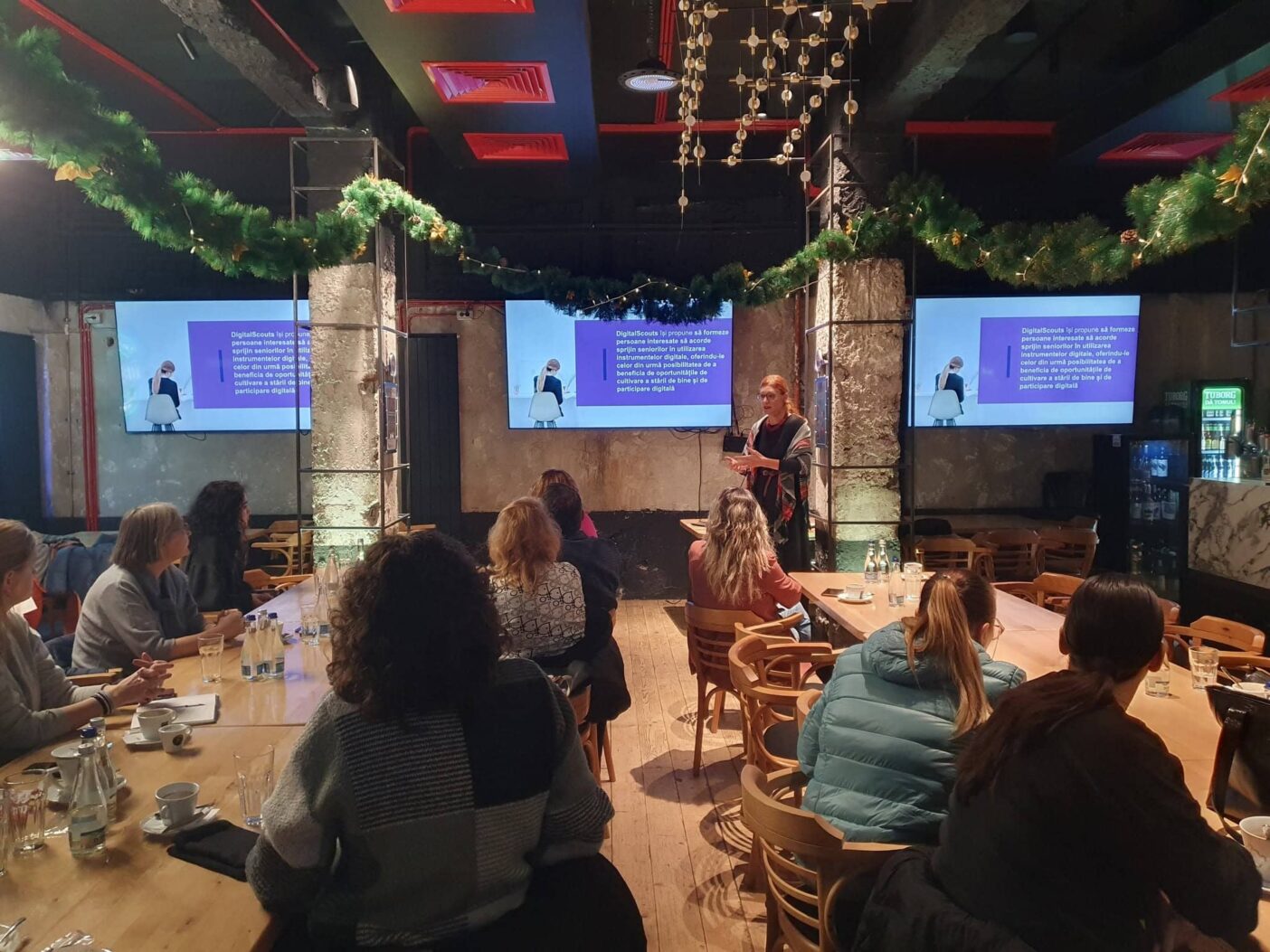
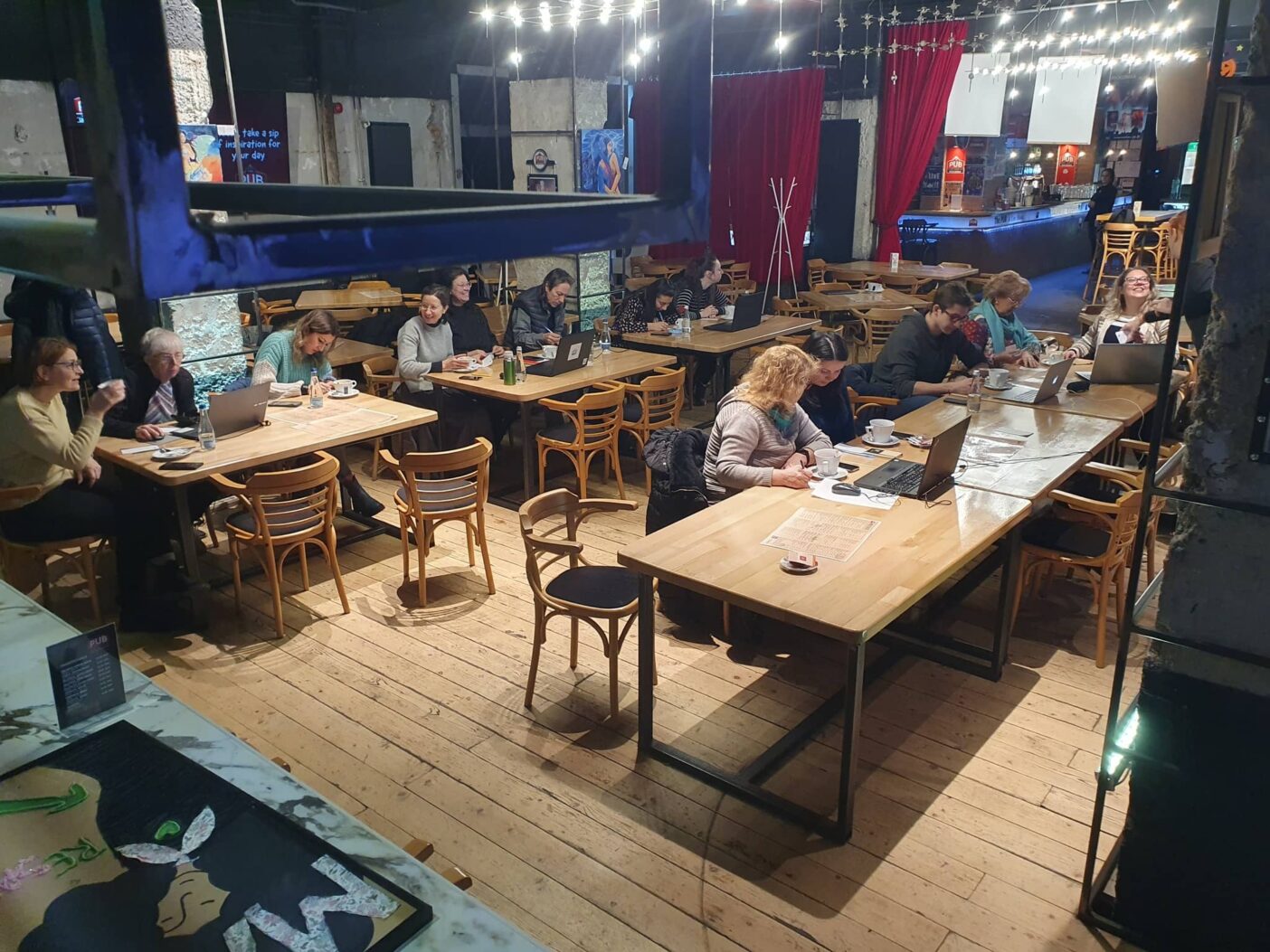
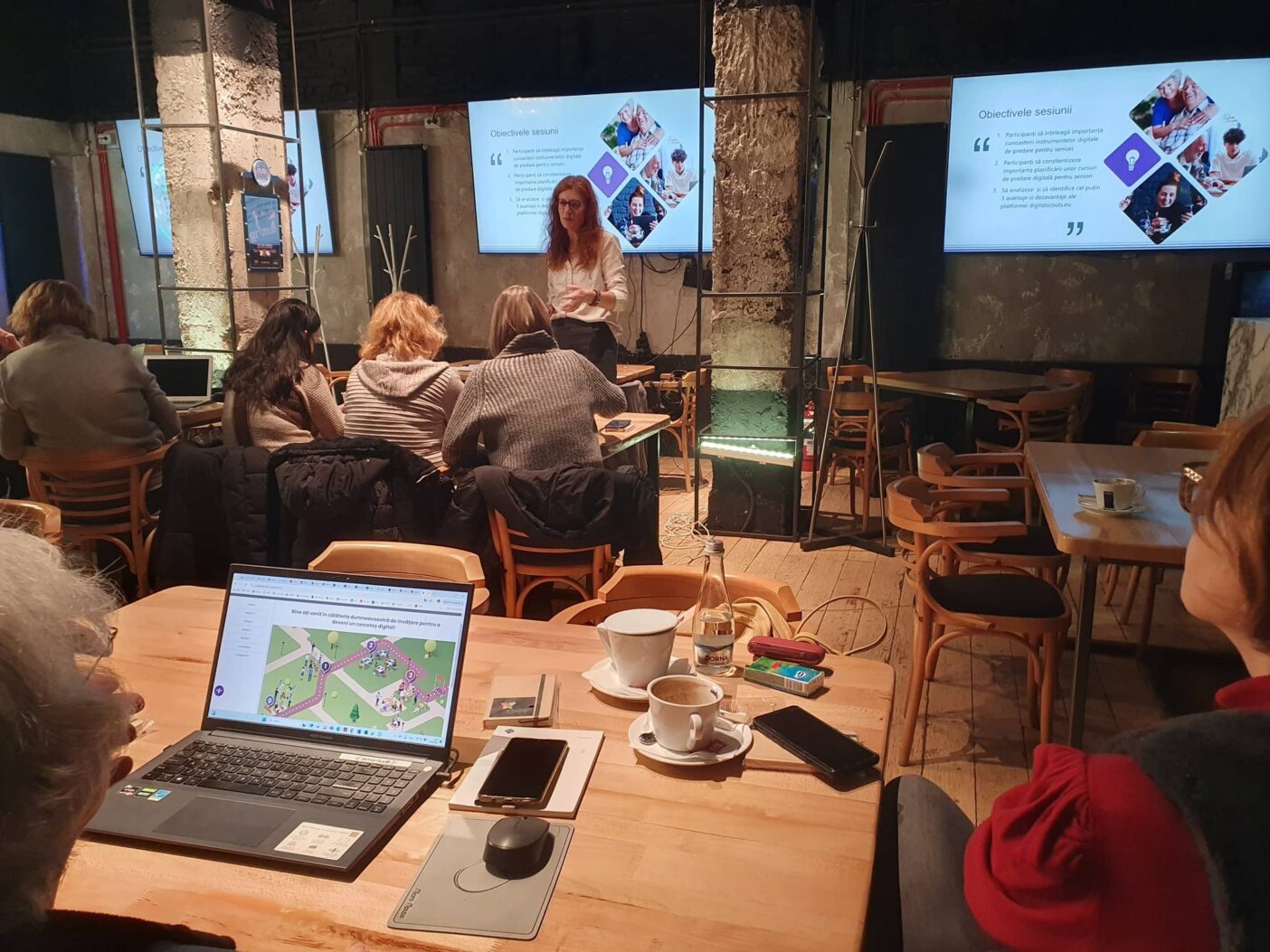
GEAC Association, as the lead partner for this activity, organized four platform testing and evaluation meetings in Romania, conducted between December 2024 and February 2025.
The first meeting (December 2024) brought together approximately 20 participants, who were presented with the DigitalScouts project and the educational offer dedicated to facilitators. Representatives from the Royal Margaret Foundation of Romania, CARP „Omenia” Bucharest Association, Silver Dawn, EASI European Association for Social Innovation, senior clubs of DGASPC 1, 2, 3, and 6, as well as the Bucharest Metropolitan Library were present.
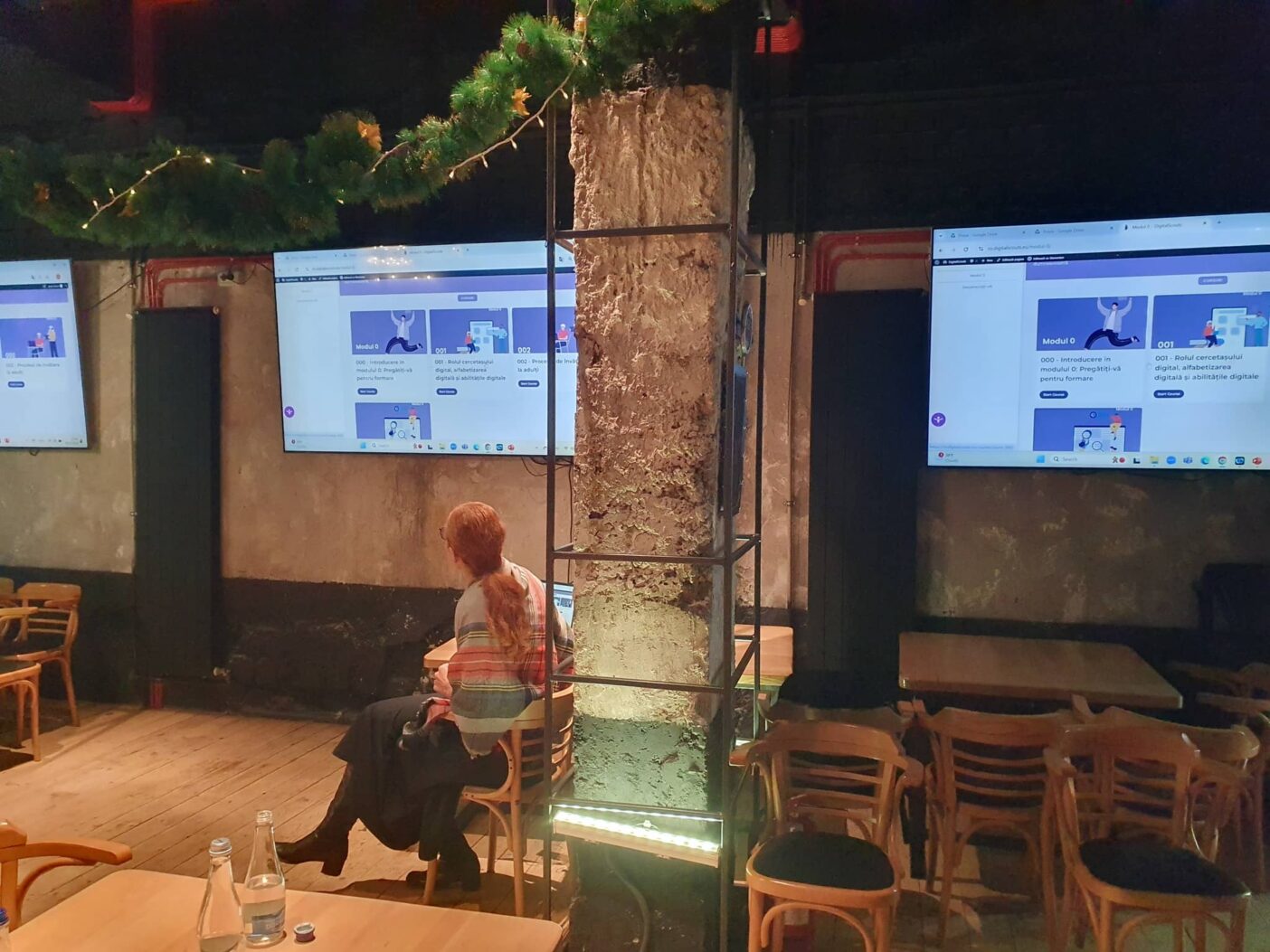
The second meeting (January 2025) was more applied, dedicated to understanding the structure and functioning of the online platform developed in the project. Participants were able to explore in detail the tools and resources available for future facilitators.
The third meeting (January 2025) focused on pedagogical aspects: motivation of older adults for learning, adapting training sessions, preparing and conducting such sessions.
The fourth meeting (February 2025) represented the final testing and feedback session, consolidating all observations and improvement suggestions for the online platform.
Features of the Developed Platform
To facilitate content integration and localization, the platform was developed using a Learning Management System (LMS), allowing partners to directly adapt materials.
Based on feedback from experts and potential digital scouts, the curriculum and platform design incorporates several key features:
- Flexible registration options: Users can access the platform as guests without registering, as experience from other projects showed mandatory registration could be a barrier. However, registration remains available for tracking learning progress.
- Modular course structure: The course is divided into four modules, each containing different lessons:
- Module 0: Get ready to train – Introduction to the role of a Digital Scout and adult learning principles
- Module 1: Know how to conduct training – Core pedagogical skills and communication techniques
- Module 2: Discover digital opportunities – Exploration of digital tools supporting health, culture, and civic engagement
- Module 3: Foster participant engagement – Strategies to sustain older adults’ digital participation beyond training
- Gamification elements: All modules include interactive elements such as true/false and multiple-choice questions, as well as engaging features like dialogue cards, image hotspots, „mark the words” exercises, drag-and-drop activities, and quizzes.
- Structured approach: Each course follows a structured approach with content overview, learning objectives, „Pause and reflect” points after key sections, additional materials available in all partner languages, knowledge tests, and summary at the end of each course.
Impact and Future Perspectives
Through this co-creation process, the DigitalScouts platform has been designed to be both accessible and engaging, enabling digital scouts to effectively empower older adults with essential digital skills, fostering their active participation in various aspects of life.
In our increasingly digital society, it is essential that everyone, regardless of age, develops and maintains necessary digital skills. This is especially important for older people, who often struggle to keep up with rapid technological developments. The DigitalScouts project offers enthusiastic trainers a unique opportunity to support older people in acquiring these skills.
The DigitalScouts learning platform offers practical experience with interactive modules on essential topics such as basic digital skills, communication strategies, digital opportunities in health, culture, and social engagement areas, as well as tools for adapting training courses to different target groups.
Through this innovative co-creation approach and active involvement of all stakeholders, the DigitalScouts project contributes significantly to building a more inclusive digital society, where digital skills and knowledge are accessible to all, regardless of age.
Representing a valuable tool for all those interested in contributing to the digital literacy of Europe’s elderly population, the e-learning platform can be explored HERE.